
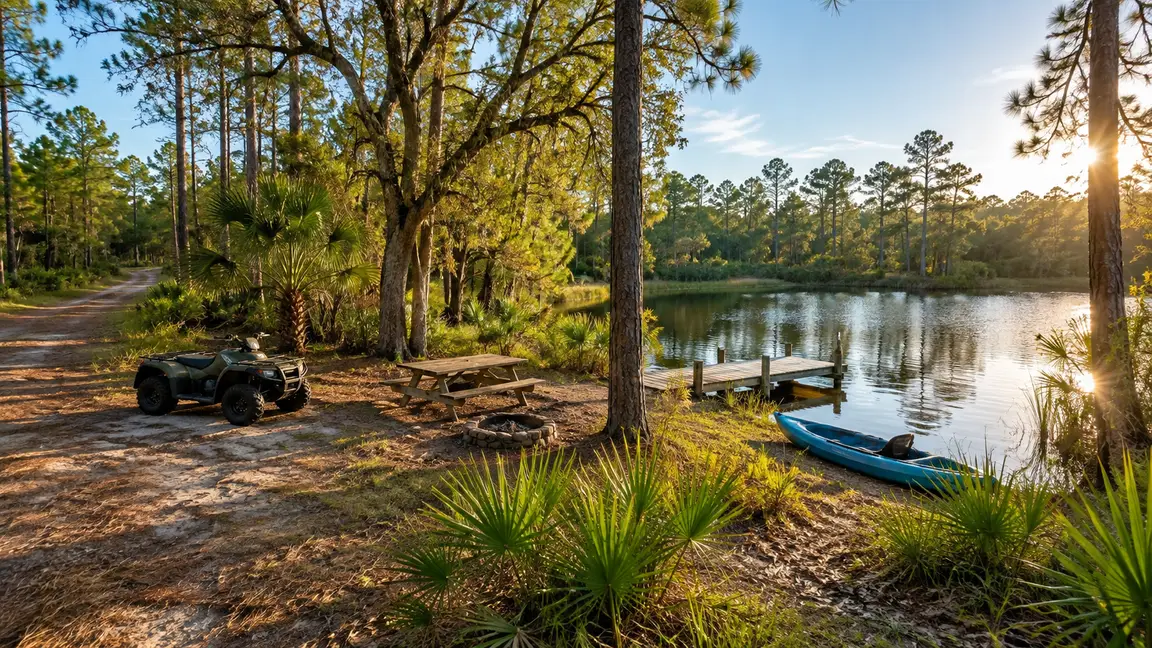
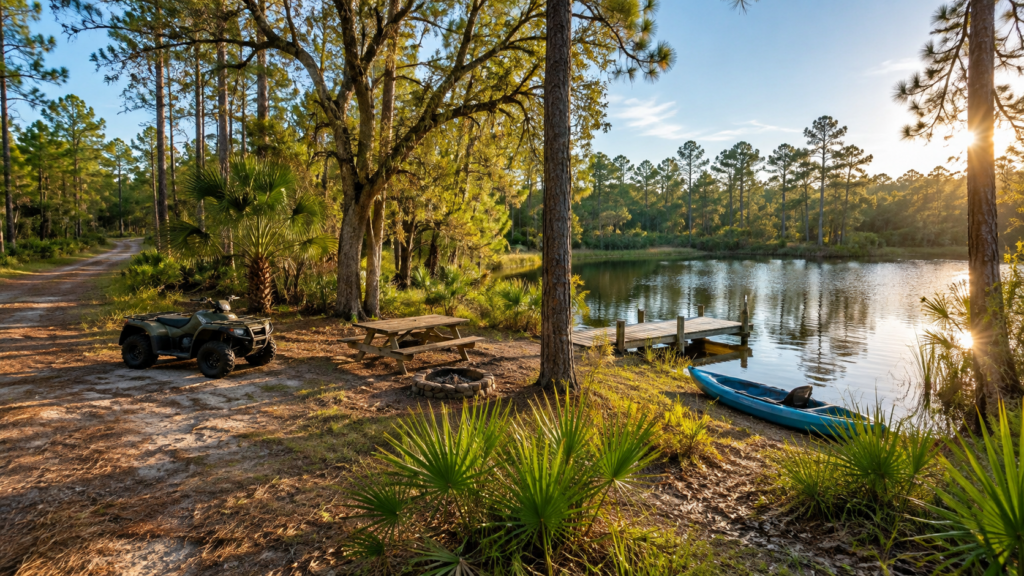
Ask most sellers what makes a piece of land valuable, and they’ll talk about road frontage, zoning, and utility access. Ask a recreational land buyer the same question, and you’ll get a completely different list: deer sign, a year-round creek, how far the nearest neighbor is, and whether there’s a spot flat enough to park a camper. Both buyers are shopping the same market. They are not shopping for the same land.
Recreational buyers — people looking for hunting tracts, weekend getaways, or a long-term piece of Florida to build on someday — have become one of the most active and least understood segments of the state’s land market. If you’re selling rural acreage in 2026 and your listing reads like it was written for a subdivision lot, you may be talking past the exact buyer who’s most excited to write an offer.
The Recreational Buyer Isn’t Who You Think
It’s easy to picture a “recreational land buyer” as someone shopping purely for fun — a hunting camp, a place to ride ATVs, nothing more serious than that. That’s no longer the full picture. A growing share of these buyers are treating recreational tracts as durable, long-term assets: land with real appreciation potential, income options through hunting leases or timber, and a lifestyle payoff on top. They’re doing the math on both the enjoyment and the investment case before they ever call an agent.
That convergence matters for sellers because it changes what “proof of value” looks like. A recreational buyer isn’t just asking “is this pretty.” They’re asking whether the land can pay for itself.
What’s Driving Demand Right Now
Florida remains one of the most-searched states in the country for land buyers, and the reasons haven’t changed much: no state income tax, a long warm season, and more shoreline and navigable water than almost anywhere else in the country. What has shifted is where the interest is concentrated.
North Florida has seen a notable jump in buyer search activity, largely because land there is still priced well below comparable acreage south of Gainesville. For sellers holding rural tracts in the Panhandle or north-central counties, that’s a tailwind worth mentioning directly in a listing — buyers researching the region already know they’re looking at relative value, and confirming it builds trust.
Hunting-specific demand is also running hot. High-quality hunting acreage — land with strong deer, turkey, or waterfowl activity — stays limited in supply almost everywhere in the state, and Florida’s mild climate means a hunting tract here gets used nearly year-round instead of for a few weeks a season. That’s a real differentiator against hunting land in colder states, and most Florida sellers never think to say it out loud.
What Recreational Buyers Are Actually Looking For
Wildlife and Hunting Access
Deer sign, turkey roosting areas, food plot potential, and proximity to public hunting land all matter more to this buyer than curb appeal ever will. If a previous owner kept trail camera photos, hunting logs, or knows the property’s game history, that’s marketing material — not a footnote.
Water Features
A pond, creek, or frontage on a navigable waterway does double duty: it supports wildlife (which recreational buyers want), and it often signals long-term value (which investment-minded buyers want). Water features are consistently one of the fastest ways to move a recreational tract up in a buyer’s shortlist.
Privacy and Usable Acreage
Recreational buyers care less about total acreage and more about how much of it is usable and how private it feels. A heavily wooded 20 acres with no visible neighbors can outsell a cleared 40-acre lot next to a busy road, because privacy is the actual product being sold.
Access and Existing Improvements
A maintained road, a cleared building pad, an existing well, or even a rustic cabin or camper hookup meaningfully shortens the buyer’s mental timeline from “purchase” to “use.” Recreational buyers are often trying to picture their first weekend on the land — anything that makes that picture easier to see helps close the deal.
How This Should Change the Way You List Your Land
If your property has any recreational character at all — timber, water, wildlife, seclusion — your listing should say so specifically, not generically. “Beautiful wooded acreage” tells a buyer nothing. “Mixed pine and hardwood tract with a spring-fed pond and active deer trails along the eastern boundary” tells them exactly what they’re buying.
It’s also worth documenting any income potential. Hunting leases, timber value, and even agricultural classification can turn a recreational parcel into something that pencils out as an investment, not just a hobby purchase. If your land qualifies, our guide to Florida’s agricultural classification explains how that status affects both your tax bill and your buyer pool.
Pricing recreational land also works differently than pricing a standard building lot — comps are thinner, and features like water or hunting quality don’t show up in a simple per-acre number. Our 2026 guide to pricing Florida land covers how to build a credible price when comps alone won’t get you there. And if you’re not sure whether your county is seeing strong recreational demand right now, our breakdown of where Florida land buyers are searching in 2026 is a good place to check before you set your number.
Common Mistakes Sellers Make With Recreational Tracts
- Treating it like a subdivision lot. Marketing a hunting tract with the same language you’d use for a residential lot undersells its real appeal.
- Leaving out the history. Game activity, past leases, and improvements are selling points buyers actively search for — don’t make them guess.
- Ignoring seasonality. Recreational buyers tend to shop hardest in the warmer months when travel and family schedules allow for it; timing your listing push accordingly can shorten your days on market.
- Underpricing water and privacy. These two features carry outsized weight with this buyer pool and are easy to underweight if you’re pricing off a generic per-acre number.
Buying Recreational Land? What to Verify First
If you’re on the buying side, confirm hunting rights and any existing leases before you fall in love with a property, check flood zone and wetland designations (especially near ponds or creeks), and get a survey rather than relying on old fence lines. A property that looks private on a map can have easements or access issues that only show up once you dig in.
The Bottom Line
Recreational land buyers are a real, growing, and specific segment of Florida’s land market — and they’re shopping with a different checklist than the average lot buyer. Sellers who speak to that checklist directly, with real details instead of generic descriptions, tend to find that this buyer pool moves faster and negotiates less on price, because they already know exactly what they’re looking for.
Whether you’re trying to figure out if your land has recreational appeal or you’re searching for the right tract yourself, it helps to talk it through with someone who knows the local market. Contact Best Land Agent for a free conversation about your property or your search — no pressure, just a local land specialist’s honest read on where you stand.
